Your Cart is Empty

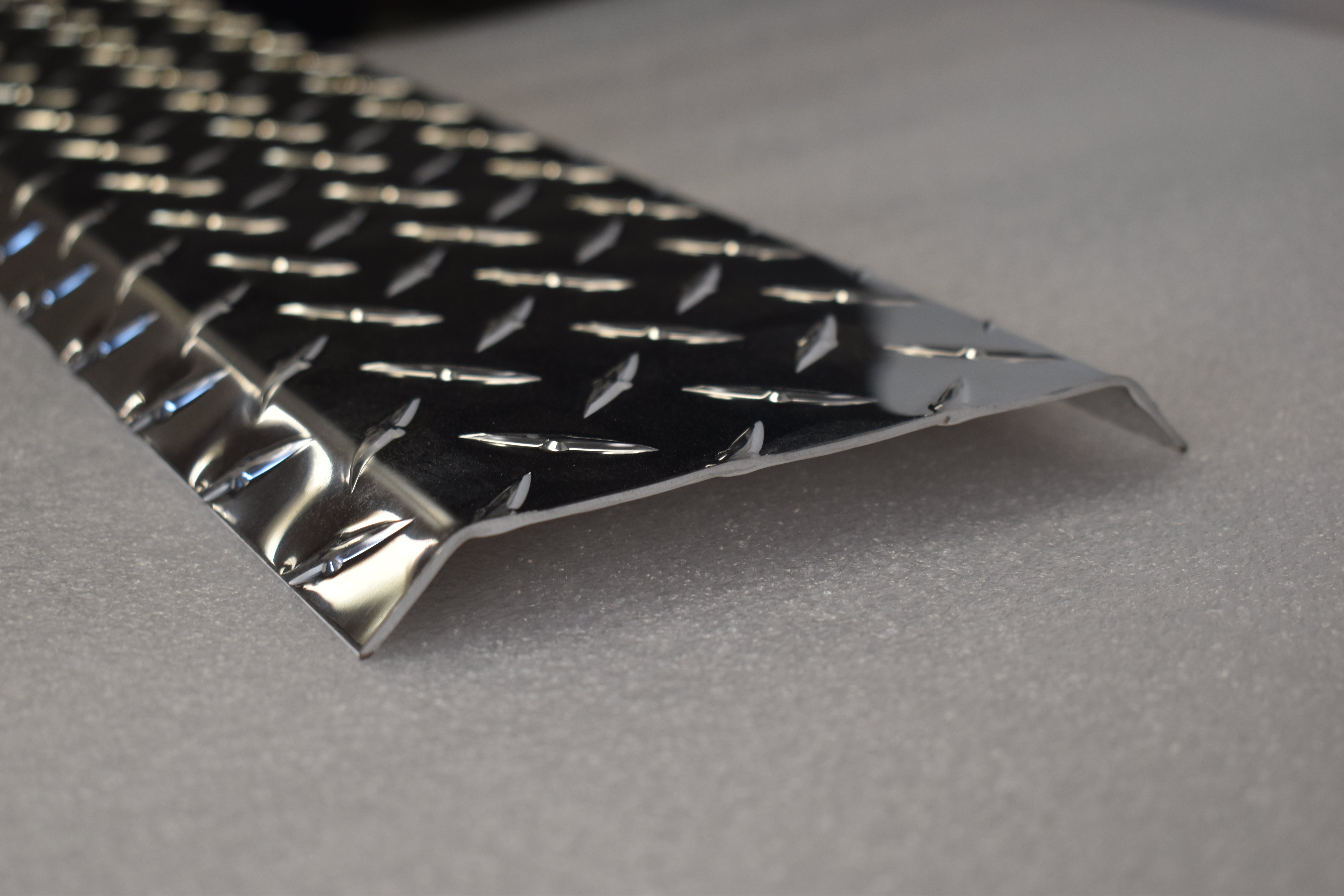
A door saddle is a specialized type of commercial door hardware that runs the full width of a doorway opening and is mounted securely to the floor. It sits directly underneath the door when the door is in its closed position. The term "saddle threshold" comes from its unique architectural design; when viewing a cross-section of the hardware, its sloped, raised shape closely resembles a horse saddle.
Most industrial and commercial variants are manufactured from extruded aluminum metal. Aluminum is highly favored by industry professionals because it offers an exceptional balance of structural strength, natural corrosion resistance, and long-term affordability. These products are widely available in standard pre-cut lengths ranging from 48 inches to 72 inches, ensuring a tailored fit for nearly any commercial doorway dimension.
Implementing a high-quality aluminum door saddle provides several distinct functional advantages to industrial and commercial facilities:
Weatherproofing and Draft Sealing : The primary purpose of the device is to create a secure seal between the bottom of the door and the floor surface. A robust threshold stops outdoor drafts, driving rain, and moisture from entering, which keeps indoor environments cleaner and drier.
Enhanced Energy Efficiency : Gaps under exterior doors act as primary escape routes for conditioned air. By closing this gap, an aluminum door saddle minimizes unnecessary airflow, optimizes indoor temperature control, and significantly lowers overall insulation costs.
Smoke and Fire Barriers : In commercial buildings, safety compliance is paramount. In the event of a fire, a properly installed threshold helps stop the dangerous transfer of smoke through the open gaps under doors.
Sound Transmission Control : Industrial environments can be loud and disruptive. Installing heavy-duty saddle thresholds retards sound transmission between separate spaces, creating an effective acoustic barrier between rooms.
Structural Door Support : Heavy commercial doors can sag over time due to intense daily wear and tear. An aluminum threshold transition strip helps stabilize exterior doors , preventing sagging and ensuring proper frame alignment every time the door closes.
To understand how an aluminum door saddle functions in practice, let us look at a few common industrial and commercial application examples:
Warehouses must handle severe weather conditions and heavy rolling machinery. An industrial metal door threshold provides the rugged, durable support needed for high-traffic exterior entryways while blocking out dust, pests, and wind-driven debris.
High-traffic retail front doors use these hardware pieces to manage thousands of footsteps daily. They provide a smooth, safe transition between different flooring materials—such as transitioning from tile to carpet or hardwood to vinyl—preventing dangerous tripping hazards for customers.
Accessibility is a strict legal requirement for modern businesses and public spaces. On openings where wheelchair accessibility is a designated requirement, the maximum allowable height for a door threshold is 1/2 inch overall. Low-profile aluminum saddles are engineered precisely to satisfy these ADA compliance factors.
While commercial thresholds can be constructed from several different materials—including brass, bronze, stainless steel, or traditional wood—aluminum remains the industry benchmark. Here is how aluminum compares to other common options:
| Material | Durability & Stability | Installation Complexity | Price Point |
| Aluminum | Excellent corrosion resistance; will not rot or warp. | Easy to cut, notch, and modify in the field. | Highly economical ($10 to $300 average range). |
| Wood (Oak/Pine) | Premium aesthetic, but pine can warp, twist, and rot easily if exposed to moisture. | Requires standard woodworking tools. | Moderate to expensive depending on the wood species. |
| Bronze / Stainless Steel | Extremely durable; will not bow or discolor under maximum foot traffic. | Very hard to work with; requires specialized heavy tools to alter. | Significantly more expensive than aluminum alternatives. |
Pro Tip: If heavy foot traffic or intense abuse is expected at an opening, aluminum may wear down faster than stainless steel or bronze. However, if project cost is a major concern, you can use a thicker, heavy-duty aluminum saddle threshold or select models that feature built-in support sections underneath to maximize lifespan without breaking your budget.
To ensure your weatherproofing is fully effective, keep these professional installation factors in mind:
Measure the Opening Width : The overall length of your door saddle should match the exact width of your door opening so that the metal runs as a single, continuous piece across the frame. For instance, a standard 36-inch commercial door requires a 36-inch threshold piece.
Calculate Clearance Height : Choose the height of your threshold based on the undercut of your door and your flooring material. Generally, a threshold that leaves a tight 1/8-inch to 1/4-inch gap is ideal, allowing the door to swing smoothly while working in tandem with a door sweep to seal out drafts.
On-Site Customization : Extruded aluminum is highly workable. Installers can easily cut and notch the metal in the field to perfectly fit around the complex profiles of commercial door frames. For a hassle-free setup, many premium aluminum kits come with matching mounting screws included.
Investing in a premium aluminum door saddle is a smart, budget-conscious strategy to insulate your facility against severe weather, optimize energy usage, and protect your building's structural integrity. Whether you are executing a replacement project on an older warehouse or outfitting a new commercial storefront, selecting the right door threshold ensures reliable, long-lasting performance.
What specific door frame width or clearance height are you working with for your current commercial entryway project?
Comments will be approved before showing up.


