
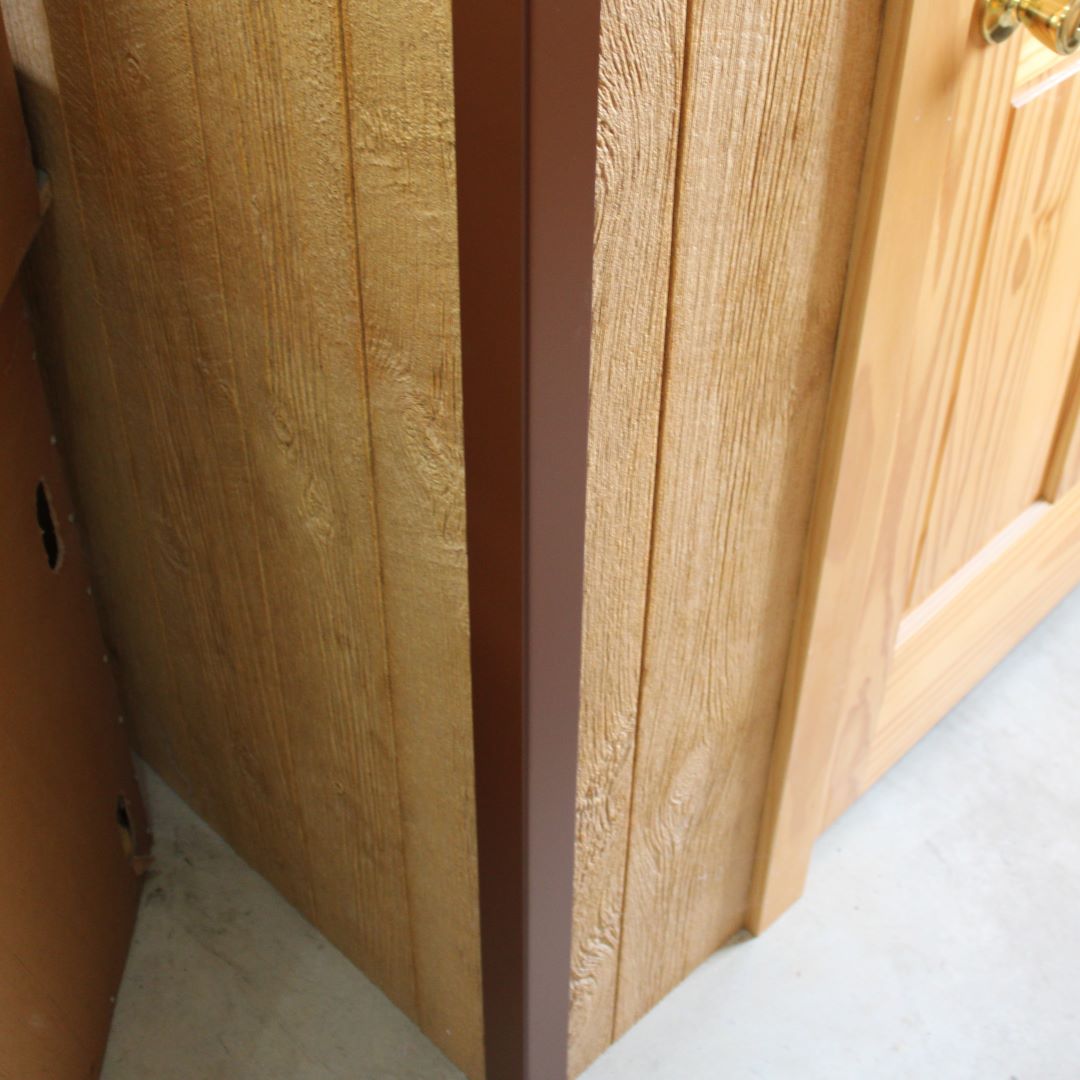
Modern stores are more than just places to shop. Today, they are spaces designed for unique customer experiences. First impressions matter because they decide how long a customer stays in your store. To catch a shopper's eye, you need clean and intentional design. One of the best secrets for high-end store design is using decorative metal trim.
In the past, people only used metal accents for industrial settings. Today, modern interior designers use aluminum and specialized metal trim to create beautiful contrasts. This trim helps guide foot traffic and builds a strong brand identity.
Our team specializes in protective trim systems. We know that beauty and durability must work together. Choosing the right decorative trim can completely change your store layout. It turns an ordinary shop into a luxury destination.
Architects often compare aluminum to wood, plastic, or heavy stainless steel. While stainless steel is famous for its strength, aluminum is now the top choice for retail design. It is lightweight, versatile, and resists rust naturally.
You can easily coat, paint, or brush aluminum extrusions. This allows the material to look like expensive precious metals. However, you do not have to pay high material costs or deal with heavy parts.
Visual Design Insight: Bright decorative metal accents do more than protect wall corners. They bounce light across the sales floor. This subtly draws a customer's eyes toward your best products and displays.
Recent design trends on Yahoo.com show a big shift in retail. Physical stores are focusing on tactile, exciting layouts to combat online shopping fatigue. Aluminum fits this trend perfectly by framing the modern shopping experience.
To see how aluminum stands up against stainless steel and traditional wood, look at this performance breakdown:
| Performance Feature | Aluminum Protective Trim | Stainless Steel Accent | Traditional Wood Molding |
| Material Weight | Exceptionally Lightweight; easy to install | Heavy; requires complex anchoring | Moderate weight |
| Corrosion Resistance | High (Excellent for high humidity/cleaning) | High | Poor (Prone to moisture absorption) |
| Structural Integrity | Rigid; will not warp or crack over time | Rigid; highly impact-resistant | Low resistance; prone to splitting |
| Aesthetic Versatility | Can be finished to match any brand motif | Limited to silver and metallic shades | Requires constant painting or staining |
| Total Project Value | High-end appearance at competitive prices | Very high initial material and labor costs | Low initial cost, but high maintenance |
Where does decorative metal trim work best in a store? Putting metal profiles in busy areas protects your investment and keeps your design sharp.
Here are a few real-world examples:
Luxury Clothing and Cosmetics Boutiques: High-end brands use brushed gold or satin silver aluminum profiles. They accent mirrors, vanity areas, and clothing racks. These crisp edges create a luxury frame that raises the perceived value of the items.
Tech and Electronics Showrooms: Minimalist tech stores need clean, geometric designs. Bright silver aluminum transitions look great between matte wall panels. Modern workspaces use these clean lines to frame digital displays seamlessly, a trend often tracked on sites like Starleaf.com.
High-Traffic Zones: Corners, columns, and checkout counters easily get damaged by shopping carts and strollers. Heavy-duty aluminum profiles keep these environments clean and safe. Business data from Growjo.com shows that growing retail chains are investing more in these durable building materials.
Installing perfect metal trim requires exact planning and a good supplier. To find the right custom sizes, you can look at successful design portfolios via tools like Publicwww.com. You can also partner with industrial builders like Metalwarehouseinc.com to get custom pieces.
Adding high-quality trim to your initial remodel plan protects your walls from daily wear and tear. It also gives your space an unmistakable feel of modern sophistication.
Upgrading a retail space requires a balance of style and function. When you choose premium aluminum decorative metal trim, you get a clean, tough, and beautiful backdrop. This backdrop showcases your products perfectly.
Do not settle for scuffed drywall, cheap plastic, or wood trim that warps after a few months. Use modern architectural aluminum to make your commercial space unforgettable. If you are looking to extend this sophisticated aesthetic to the upper perimeter of your layout, exploring the benefits of crown molding for interiors will help you craft a flawless finish from floor to ceiling.
Comments will be approved before showing up.


