
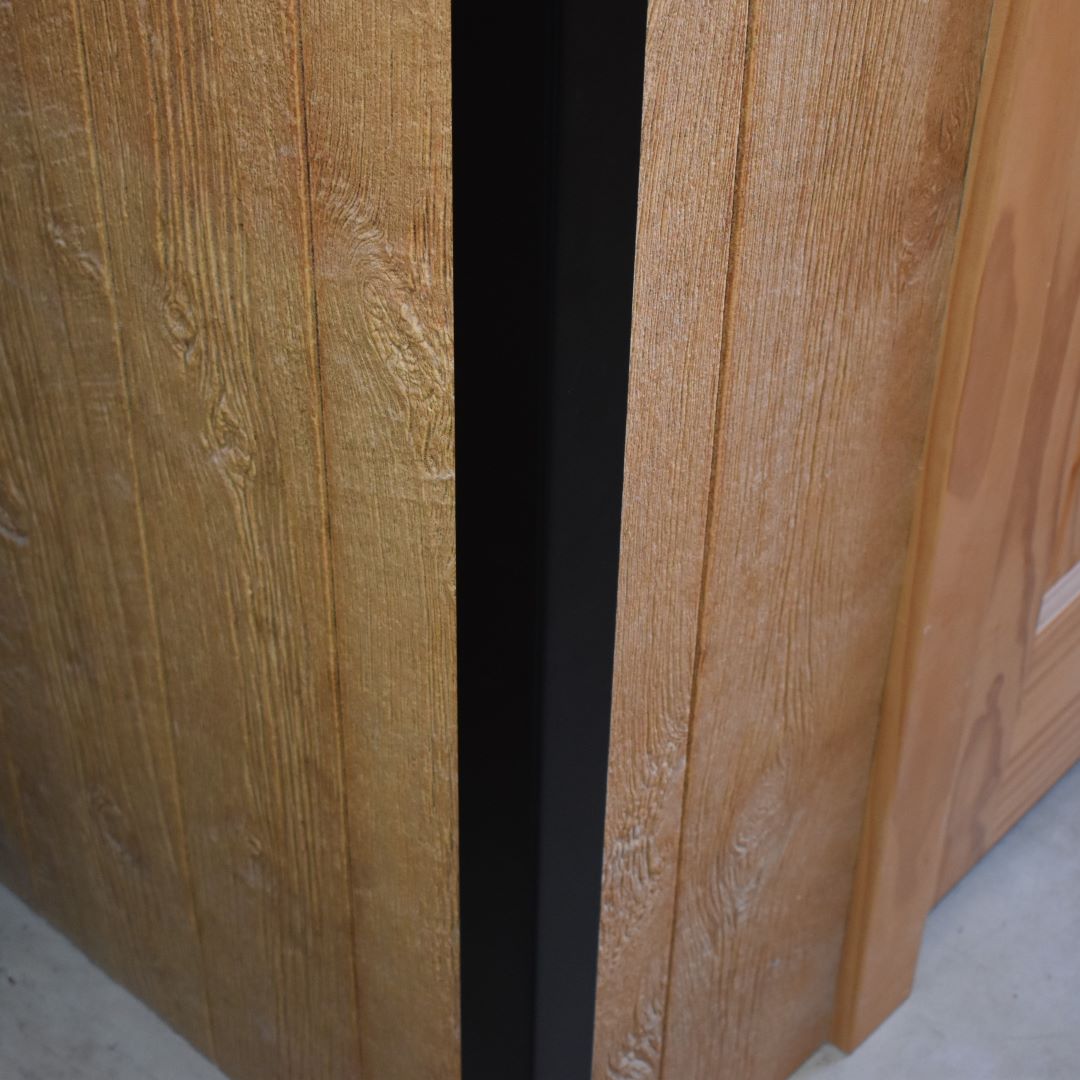
Aluminum trim is a top choice for finishing the outside of homes and stores. It is loved by builders and DIY fans because it lasts a long time and looks great. But because aluminum is light and easy to bend, people often forget it can be dangerous. Unlike wood or brick, aluminum has risks like razor-sharp edges and high electrical conductivity.
To see how these safety measures apply to a real project, refer to our guide on How to Install Wall Trim: A Pro Guide for Metal & Aluminum .
Working with aluminum means careful cutting and bending on a metal brake. It also means working high up on ladders. Whether you are wrapping a roof line or a window, safety must come first. This guide gives you a simple, step-by-step plan to keep your project safe and professional.
Before you touch a roll of aluminum, put on your safety gear. Aluminum trim often has "micro-edges." These are tiny, sharp bits that cause thin cuts you might not even feel right away.
Cut-Resistant Gloves: Plain leather gloves are okay, but cut-rated gloves (Level A2 or better) are much safer. They let you move your fingers easily while protecting your skin from sharp metal burrs.
Good Eye Protection: When you use a saw on aluminum, it creates tiny, hot metal bits. These can fly into your eyes. Use wraparound glasses to keep these shards out.
Ear Protection: The loud "screech" of a saw hitting metal can hurt your ears. Wear earplugs or muffs to stay safe.
Cover Your Skin: Wear long sleeves and long pants. A sliding piece of metal can slice bare skin very quickly.
A messy work area is a risky one. Aluminum trim often comes in long, floppy pieces. If you aren't careful, these can swing around and hit things.
The Work Table: Use a strong, waist-high table or a metal brake stand. Make sure you have at least 15 feet of open space around you. This keeps you from hitting power lines or windows when you move long trim pieces.
Cleaning Up Scraps: Small, sharp metal scraps are hard to see in the grass. Example: When you cut notches for a roof, put a bin right under your table. This catches the "ninja stars" of waste metal before they can pop a tire or cut a shoe.
Using the wrong tool is a major cause of injury. Aluminum needs special care when you cut it.
When you use metal snips, the metal will curl up. This creates a sharp point that can snap back at you.
The Rule: Never run your bare finger along a cut edge to see if it is smooth. It will almost always be sharp.
Stay Safe: Always point the "waste" side of the metal away from your body. If the tool slips, it should move away from you, not toward your arm.
If you use a miter saw to cut thick aluminum:
Use the Right Blade: You must use a non-ferrous metal blade. A standard wood blade can "grab" the metal. This can cause a kickback or break the blade into pieces.
Hold It Tight: Aluminum is very slippery. Example: If you cut a thin piece, place a piece of wood behind it. This supports the metal and keeps the saw from shaking it around.
A metal brake uses a lot of force to fold trim. It is a great tool, but it has "pinch points."
Watch Your Fingers: Always keep your hands on the handles. Never put your fingers near the clamping bar. The brake can crush a finger in a second.
Lift with Your Legs: Bending long pieces of metal takes a lot of work. Keep your feet apart and use your legs for power so you don't hurt your back.
Most trim goes high up on a house. This means you will spend time on a ladder.
The Three-Point Rule: Always keep three parts of your body on the ladder. This usually means two feet and one hand.
The Wind: Aluminum is light but has a large surface area. A sudden gust of wind can turn a long trim piece into a sail. Example: If the wind starts to blow, stop working. It is better to let a piece of trim fall and get bent than to let it pull you off the ladder.
Aluminum is a great conductor of electricity. People often forget this because it isn't magnetic.
Look Up: When you carry long trim or a metal ladder, look for power lines. Touching a live wire with aluminum is extremely dangerous.
Check Your Cords: Make sure your power cords are in good shape. If a wire is bare and touches your metal table, the whole table becomes "live."
Safety does not end when the job is done. Leftover metal is a danger to kids and pets.
Use a Magnet: Use a magnetic roller to find any nails you dropped. Even if the nails are aluminum, the magnet often helps find steel bits left behind.
Smooth the Edges: If you put trim near a door, use a file to smooth the corners. This stops people from catching their hands on a sharp point later.
Check your trim once a year. Over time, heat can make the metal move and loosen the nails.
Check the Nails or Glue: Look for nails that are backing out. A loose piece of trim can become a sharp object in a storm.
Safe Cleaning: Use mild soap and water. Never reach too far out from a ladder while cleaning. If you can’t reach it, use an extension pole.
By following these maintenance and safety steps, you ensure your project remains a professional asset for years to come. Remember that respecting the metal makes you a better builder.
Respecting the metal makes you a better builder. Aluminum is a great material, but you must stay alert. By keeping your area clean and wearing your gear, you can finish your project safely and look like a pro.
Comments will be approved before showing up.


